

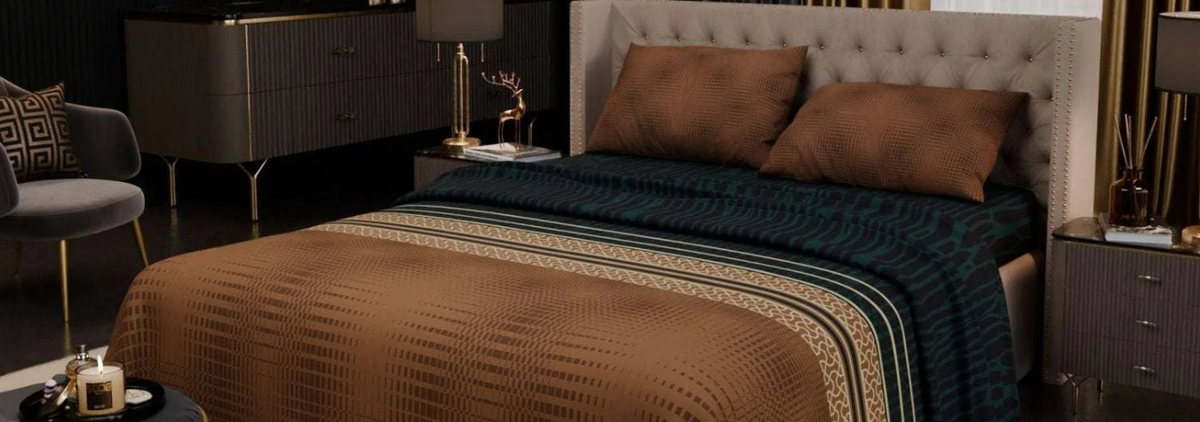
The right bedsheet can make a noticeable difference to everyday comfort. Its material affects softness, breathability, warmth and how easy it is to maintain.
With options such as cotton, linen, satin-style fabrics and microfibre, understanding how each one performs can help you choose bedding that suits your climate, routine and personal preference.
Why Bedsheet Material Matters for Comfort
The right bedsheet material can influence softness, breathability, warmth and maintenance. Cotton is valued for softness and absorbency, while linen is known for breathability. Microfibre offers durability and wrinkle resistance.
Weave also affects warmth, texture and breathability. In Indian homes, climate also matters. Lighter fabrics may feel better in warm weather, while warmer constructions may suit cooler months.
Cotton Bedsheets: Benefits and Best Uses
Cotton is widely used for bedsheets because it is soft, absorbent and breathable. It also handles regular washing well in many homes. A pure cotton bedsheet suits people who prefer a natural fibre and familiar feel.
It works well for everyday bedrooms and warmer conditions where airflow matters. Cotton blends are another option, with polyester often added for durability and wrinkle resistance.
Satin Bedsheets: Benefits and Best Uses
Satin sheets are known for a smooth, silky surface and a softer feel. The reference mainly discusses this finish through satin weave, which tends to feel warmer than crisp percale.
This makes it more suitable for cooler weather or for people who prefer a smooth and warmer sleeping surface.
Linen Bedsheets: Benefits and Best Uses
Linen bedsheets are valued for their natural feel, breathability and lightweight character. They can work well in warm conditions because airflow through the fabric helps create a fresher sleeping surface.
Linen often feels more textured than smooth cotton or satin-style sheets, making it suitable for people who prefer breathable bedding.
Microfiber Bedsheets: Benefits and Best Uses
Microfibre bedsheets are made from synthetic fibres. They are generally soft, durable, easy to maintain and resistant to wrinkling.
Their breathability can vary with weight and construction. Microfibre can suit guest rooms or households where easy washing and low maintenance are priorities.
Thread Count vs Material Quality: What Really Matters
Thread count matters, but the fibre quality, weave and overall construction play an equally important role in a bedsheet’s comfort and durability.
|
Factor |
What It Tells You |
Why It Matters |
|
Thread Count |
Threads per square inch |
Can influence softness and weave density |
|
Material |
Fibre used in the sheet |
Affects breathability, feel and durability |
|
Weave |
How threads are constructed |
Changes texture, warmth and airflow |
|
Fabric Weight |
Thickness or weight of fabric |
Can affect warmth and breathability |
How to Identify Genuine Pure Cotton Bedsheets
A few basic checks can help you assess the cotton used in a bedsheet.
-
Step 1: Check whether cotton is clearly mentioned as the main fibre.
-
Step 2: Look at the type of cotton used, such as Egyptian, Pima or Upland cotton.
-
Step 3: Consider softness, breathability and durability rather than judging quality by appearance alone.
-
Step 4: Check the weave because it can change how the cotton feels.
-
Step 5: Consider thread count along with material and overall construction, rather than relying on one number.
Choosing Material Based on Season and Climate
Climate can influence which bedsheet feels most comfortable. Linen offers good airflow and moisture management, making it suitable for warmer weather. Percale also has a crisp, cool feel that can suit hot sleepers.
For cooler conditions, satin provides a smoother and warmer feel. Personal comfort should still guide the final choice.
Material Care & Maintenance Tips
Here are some practical care tips:
-
Wash bedsheets weekly to help maintain freshness.
-
Use warm or cold water depending on the fabric requirements.
-
Choose non-chlorine bleach where bleaching is required.
-
Tumble dry on medium heat where suitable.
-
Make sure sheets are completely dry before storing them.
-
Follow gentler washing methods for delicate fabrics such as silk.
How to Choose the Best Bedsheet Material for You
The best choice depends on comfort, weave, climate, care needs and budget.
-
Step 1: Decide whether you prefer a crisp, smooth, soft or heavier feel.
-
Step 2: Consider whether you usually sleep warm or prefer extra warmth.
-
Step 3: Compare natural materials such as cotton and linen with synthetic options such as polyester and microfibre.
-
Step 4: Look at the weave, as percale, satin and twill offer different textures and levels of warmth.
-
Step 5: Consider thread count together with material and construction.
-
Step 6: Choose an option that matches your comfort, maintenance needs and budget.
FAQs
1. Which bedsheet material is best for comfort?
Cotton is a versatile choice because it offers softness, breathability and durability, while linen is suitable for people who prefer airflow.
2. How do I know if a bedsheet is pure cotton?
Check the fibre information carefully and look for cotton as the listed material rather than judging quality by softness or thread count.
3. Is satin or cotton better for everyday use?
Both satin and cotton can work well for everyday use, depending on personal preference. Satin offers a smooth, soft feel and adds a more refined finish to the bed, while cotton is known for its breathable texture. The right choice depends on the comfort, feel and appearance you prefer.
4. What bedsheet material is best for sensitive skin?
Silk and bamboo are described as hypoallergenic options, making them worth considering for people who prefer gentler bedding materials.
5. Does a higher thread count always mean better quality?
No. Material, weave, fabric weight and construction also influence the comfort, durability and overall quality of a bedsheet.
6. Which bedsheet fabric lasts the longest?
Microfibre is known for durability and longevity, while cotton and linen are also valued for their strength when cared for properly.
7. What material is best for bedsheets in humid climates?
Linen is well suited to warmer conditions because it provides good air circulation and helps manage moisture during sleep.
8. How should different bedsheet materials be washed?
Follow the care label because washing, drying and handling requirements can vary between cotton, linen, microfibre and delicate fabrics.
9. Are blended fabrics as good as 100% cotton bedsheets?
Quality depends on the fibres used. Natural cotton offers breathability, while synthetic fibres can provide easier care and greater wrinkle resistance.
10. What bedsheet material is best for winter?
Satin can suit cooler weather because its smooth construction provides a warmer feel compared with the crisp, breathable feel of percale.
Share:
Bed sheet Sizes Guide: Single, Double, Queen & King Bed sheet Measurements
Cooling Bedsheets: Best Fabrics & Picks to Beat the Heat